
Is your week a “non-stop” whirlwind of deadlines, tasks, and go-go-go? 😵
By Friday, you’re possibly exhausted, with your brain feeling literally like overcooked spaghetti.
But guess what? A simple end-of-week reflection habit can rest your mind entirely and bring clarity, without even slogging through more to-dos.
Instead of collapsing into your couch on Friday night, thinking, “What just happened?” spare a few minutes to pause, review, and recharge.
Just take this brief “you time,” and trust me, you’re guaranteed to end your week with confidence.
Long story short, you can think of it as a mini personal retreat. A space where you not just celebrate lessons but also celebrate wins and make space for the weekend.
Want to explore more about it? Ready, set, and go!
Why Boring Busy-ness Isn’t Enough#
Ever cruise through the week checking off tasks, only to find out at the weekend that you still feel scattered and drained?
Well, that’s the trap of hustle culture.
“Doing more hours doesn’t mean doing the right things.”
In fact, a study found that 51% of stressed workers say their stress disrupts concentration, which is exactly what we want to avoid with reflection.
Because when you keep moving without pause, you end up:
- Being Stuck on Autopilot: You may have done LOTS of things, but did you do the crucial things? No one wants a long to-do list with wrong-prioritized tasks.
- Ignoring Lessons: Skipped opportunities or missed mistakes to learn are like recycling bad habits over and over. Without reflection, history repeats itself.
- Neglecting Well-Being: It’s convenient to sideline your self-care without giving it the importance it deserves. But running on empty leads to burnout.
What Weekly Reflection Really Is?#

Weekly reflection isn’t self-flagellation (beating yourself up for what went wrong) or dull one-hour monologues about your problems. In fact, it’s all about a purposeful, pointed pause. A friendly chat with yourself or a quick journal that motivates you.
| Insightful | You ask, “What really mattered this week?” and notice patterns |
|---|---|
| Intentional | You identify which tasks fueled progress (and which were just busywork) |
| Inspirational | You celebrate wins (even the small ones!) to boost confidence |
| Problem-solving | You spot stressors or roadblocks and brainstorm fixes |
| Proactive | You set clear micro-goals for next week based on what you learned |
In other words:
“Weekly Reflection = Clarity-Building Time”
It’s a chance to download your brain so you can have mental breathing room. The cherry on top is that you can also customize it to whatever you need (talking out loud, minimalist journaling, even a quick walk while thinking).
How to Do It: Tips & Ideas for Your Weekly Reflection#
Make your end-of-week reflection as easy as possible. I personally follow a few specific tips and ideas that actually work, not just for me but for many people out there.
Here’s all you need to do:
Tip #1: Block the Time#
Schedule it like a quick meeting with yourself. Just pick a consistent day (Sunday morning, Friday afternoon, whatever)
And most importantly, turn off all the distractions at that point.
Even 10 minutes of focused weekly reflections for mental clarity is better than doing nothing.
If you don’t know how to “start,” use this:
- Sit down first, and take a deep breath.
- Ask one question to yourself
- And lastly, write an honest answer
Let’s say you can write, “What went well this week, and what can I improve?”
Your brain will begin to connect dots within minutes, and you’ll remember things:
- The project you finished
- The small win you nearly forgot about
- The conversation that went better than you expected
Once it becomes a habit, you won’t forcefully “decide” to reflect anymore, but just do it without stress.
Tip #2: Start with Simple Prompts#
Your brain doesn’t like open-ended uncertainty. But give it weekly reflection questions, and it will start searching for answers automatically.
This is also called “the Zeigarnik Effect,” which is a psychological principle where the brain seeks to complete unfinished thoughts. Moreover, guided questions also keep you on track.
So, when you ask, “What drained all my energy this week?” Your brain goes, “Wait… let me think about that.”
And just like that, your reflection begins.
But what weekly reflection prompts should be effective? Well, here are some practical examples:
| Prompt | Purpose |
|---|---|
| “What am I proud of this week?” | Forces you to recognize progress, even small ones |
| “Did I meet my goals? Why or why not?” | Adds accountability with no guilt |
| “What one change would make my next week better?” | Naturally turns reflection into action |
You don’t even need to answer everything. Some days, you will answer all prompts; some days, just one.
Both are fine. Because to be honest:
Consistency > Completeness
Just make sure that you answer honestly. Use these prompts for self-reflection to improve your upcoming week.
Tip #3: Write, Record, or Draw#
Do the actual reflecting in a way that naturally comes to you. There’s no “right” format here.
Some people like writing things down with paper and pen. Others prefer typing in a notes app, thinking things quietly, or recording a quick voice note.
Because in the end, the goal is to get your thoughts out of your head. That’s it.
Research from the University of Texas at Austin also demonstrates that expressive writing about your emotions and thoughts can really help improve clarity and reduce mental clutter.
That’s why even a few lines can feel super refreshing and relieving.
Not sure what to do? Well, let’s keep it simple:
- Write 3 to 5 bullet points about your work
- Record a short 2-minute voice memo
- Scribble thoughts, ideas, and even random words
When you start doing it, you’ll notice something interesting… the patterns.
The same thing that stresses you every single week. The habits that really help you. The little wins you mostly ignore.
But when patterns don’t go unnoticed (like usual), you can do something about them. The only thing that matters is consistency.
Tip #4: Keep It Balanced#
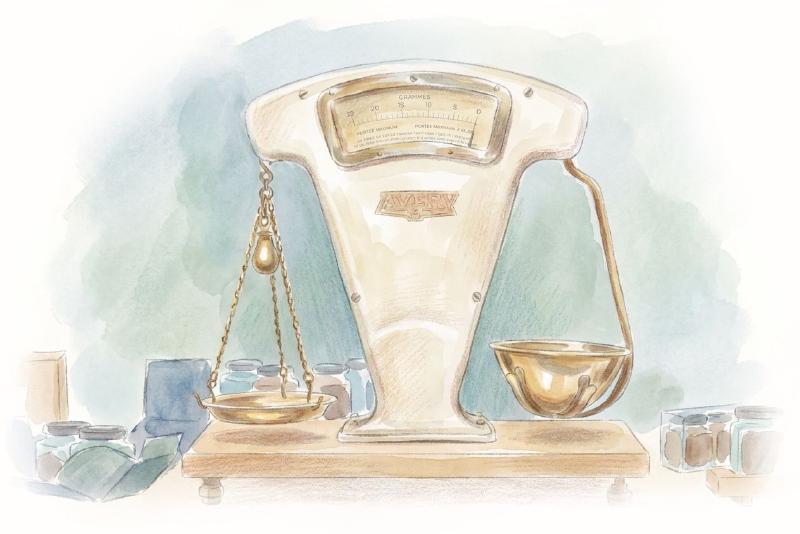
Reflection is not just about pointing out everything that went wrong. You need to understand your week without being too harsh on yourself. That’s the goal.
But you know what a LOT of people start doing? Self-criticism.
And that’s clearly not our purpose. Instead, all you should focus on is “awareness + improvement.”
So, whenever you review your week, try keeping it balanced.
If something didn’t go as expected, don’t say, “Oh, I messed this all up,” and think, “OKAY, next time, I’ll try handling it differently.”
This is exactly what we call “growth mindset,” where you learn more and judge less.
In fact, you can also do a quick gratitude check, and remember:
- A moment that made your day easier
- A person who genuinely helped you
- Something that went right
That way, your reflection won’t feel heavy or stressful anymore.
Tip #5: Plan One Thing#
Always end your reflection with one small action. Not a full life reset or a long to-do list. Just one focused thing.
Because it is important to know that reflection without action does not change anything at all.
It only stays as a thought.
So, when you’re done with reviewing your week, ask yourself:
“What’s one particular thing I should do next week to make it better than the last one?”
Examples? Here we go:
- “I will work on my LinkedIn profile this weekend.”
- “I will avoid checking my phone during my working hours.”
- “I will sleep 30 minutes earlier.”
To make it more effective, you can also add it to your weekly planner, your notes app, or a sticky note.
Tools, Templates & Techniques to Consider#

Not all reflections are created the same way. So, I’ve made a table of a few different ways to reflect—so you can experiment and stick to the one that clicks with your mind:
Let’s dig in!!
| Method | How To Use It | What It Clarifies |
|---|---|---|
| Journal Page | Write your answers to prompts or free-write about your week’s highs/lows. | Clears mental clutter and spots trends in mood/energy. |
| Bullet Points/Lists | Use quick bullets for bullet journalling: “Wins: X, Challenges: Y, Next: Z”. | Fast, structured recap for quick clarity. |
| Voice Notes | Record yourself talking through the week in your phone’s voice recorder. | Good on-the-go; hearing yourself can spark insights. |
| Planner/Calendar Review | Look at your weekly calendar; note the undone tasks or events. Then write what happened/why. | Combines schedule with reflection; spot time-sinks. |
| Mindful Meditation | Sit quietly, breathe, and mentally replay the week (no judgment, just observe). | Reduces stress physically; brings emotional clarity. |
| Brain Dump | Set a timer (5–10 min). Write anything on your mind related to the week — uncensored. | Frees up mental space; usually surfaces true concerns. |
| Gratitude List | List 3–5 things you appreciated this week (big or small). | Shifts mindset positively; highlights what matters most. |
You can choose from our diverse collection of weekly templates. We have different types of planners, including:
- Weekly planner (portrait)
- Monthly planner
- Yearly planner
- Daily routine planner
- Study planner
- To-do list
- Habit tracker
- Reach your goals template
Having a weekly reflection sample template that fits best for your work-life needs gives you a visual structure that guides you and even makes it fun to stick to.
Want to Make Reflection a Habit? Here’s How!#
Why skip a good thing? Because habits are tough at the start. So, let me tell you some hacks that I learned in my journey:
- Link It To An Existing Habit: For example, do a reflection right after your Friday coffee or before you prep your Sunday dinner. The dinner or coffee trigger reminds you automatically.
- Keep It Real Quick At First: You don’t need an hour or so. Even 5 minutes of concentrated thought is better than none. As you see the perks, you may do more naturally.
- Reward Yourself: Celebrate sticking to it. Treat yourself to a relaxing bath or a favorite snack afterward. Because positive vibes work magically to help build a consistent habit.
- Be Forgiving to Yourself: Missed last week? No biggie. Just pick it back up next week. After all, reflection should reduce your stress, not add more chaos to your life.
- Track Your Week: Put a big check mark on your calendar for every single week when you reflect. This little visual progress (or even the missing Xs) can highly motivate you.
Conclusion#
You don’t need to stay tangled in the chaos of your week. Simply add a little end-of-week reflection ritual in your routine, and all your confusion will turn into clarity and strategy.
In the past, you might have used to say, “That was a blur,” about your weeks, but if you reflect the right way (just like I mentioned earlier), you are definitely going to say, “Whoa, that was productive,” about it.
Hope this guide helps you with your enlightening weekly review and reflection!

Feature image by Alfonso Betancourt on Unsplash